Writing About a Place You Visited, Without the Brochure
Itineraries, borrowed adjectives and a missing writer flatten most place pieces. How to write a place from what you noticed, not what impressed you.
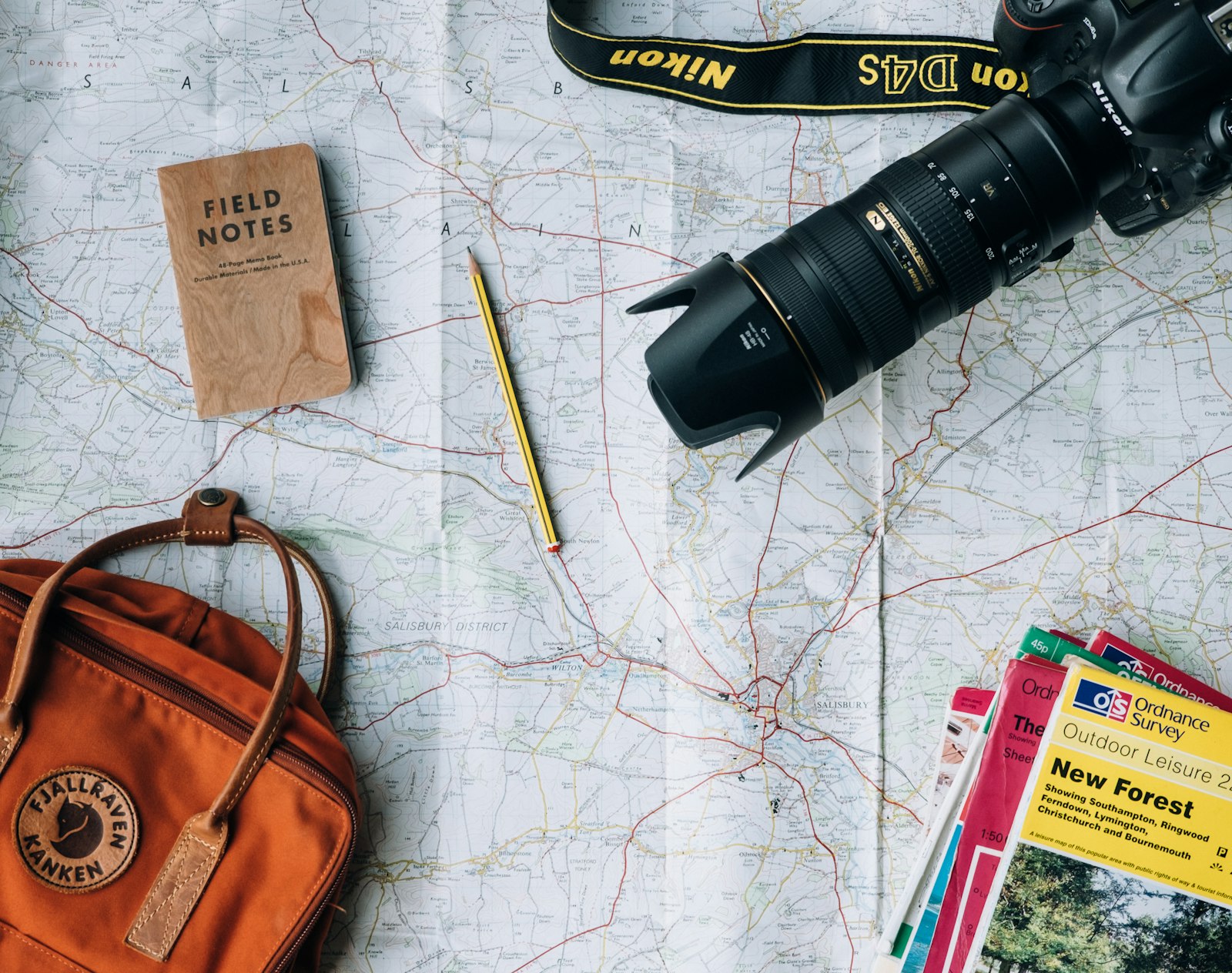
Writing about a place you have been is one of the oldest kinds of writing there is, and one of the easiest to get wrong. The trip was vivid. The draft is not. Somewhere between the street and the page, the town you loved turns into a list of sights, a run of adjectives and a closing paragraph about how you would love to go back.
This is not a failure of talent. It is what happens when we write from the memory of being impressed rather than from what we actually noticed. Here is how we would approach a piece about a place, whether it is a city on the other side of the world or a village two hours from home.
Why place writing goes flat
Most flat place writing has the same three habits. The first is the itinerary: first we went here, then we went there, then we had lunch. Chronology is a natural way to remember a trip, but it is a weak way to organise a piece, because every stop gets the same weight and nothing builds.
The second is the borrowed adjective. Words like charming, bustling, stunning, hidden and vibrant arrive in a draft because they are the words places are usually described with. They tell the reader that you were pleased, not what you saw. A reader cannot picture charming. They can picture a bakery that sold out of bread by nine and put a handwritten sign in the window saying so.
The third is the missing writer. The piece reports the place but never says what it meant to the person standing in it. Readers do not need your feelings on every page, but they do need to know why you are telling them about this place and not another.
Find the one question the place raised
The most useful thing you can do before drafting is to ask what the place made you wonder about. Perhaps you kept noticing that the old town was nearly empty after dark and wanted to know where everyone lived. Perhaps a market ran on rules you could not work out. Perhaps a landscape looked nothing like the photographs and you started to ask why.
That question becomes the spine of the piece. It decides which details stay and which go. The museum you dutifully visited may not survive the edit; the conversation at the bus stop that first made you curious probably will. A piece built around a question has a reason to move forward, and it gives the reader something to wonder about alongside you.
If you cannot find a question, try a smaller frame. A single street, a single meal, a single walk from the station to the guesthouse. Narrow pieces about places are often the ones that tell readers the most.
Specific beats beautiful
When you reach for a description, reach for the detail only someone who was there would know. Not the colour of the sea, but the fact that the fishing boats were painted the same two colours. Not that the city was loud, but which sound you heard first every morning. Not that the food was good, but what the cook did that you had never seen before.
Specific details do two things at once. They let the reader see the place, and they quietly prove that you were paying attention, which earns you trust for the moments when you do offer an opinion. A useful exercise is to underline every adjective in a draft and ask whether a noun or a verb could do the work instead. Often the plain fact is more evocative than the word you chose to decorate it.
Be careful with what you claim to know. If you spent four days somewhere, you know what four days showed you. It is fine, and usually more interesting, to say what you saw and what you could not work out, rather than to explain a culture after a short visit.
Put people in it, carefully
Places are mostly people, and a piece without any will feel like a postcard. The people you met, the things they said, the way they went about their day: this is often the best material you have. It also comes with responsibilities.
Describe people the way you would be comfortable being described. If you quote someone, quote what they said, not a tidier version of it. If you did not ask their name, do not invent one; a description of who they were is enough. Think twice before including details that could identify a private person who did not expect to appear in your writing, and leave out anything like a home address or a private conversation that was not meant to be shared. Our community guidelines ask writers to leave other people’s private lives out of their work, and place writing is where that rule gets tested most often.
Time, change and honest limits
Places change, sometimes fast. The cafe closes, the path is rerouted, prices move. A piece that pretends to describe a place as it permanently is will age badly. A piece that is clear about when the visit happened ages well, because it becomes a record of a moment.
So say when you went, at least roughly, and say what season it was. If you give practical information, such as how to get somewhere or what something costs, make it clear that it reflects your visit and may have changed. Readers forgive outdated details when they were told the date. They are less forgiving when they arrive somewhere and find nothing as described.
Photographs can help, and on FullySky you can open a piece with a wide cover image and add your own photographs inside the text (see features). Let them do what words cannot, such as showing scale or light, and let the text do what photographs cannot, such as explaining why the scene mattered. Use images you took or have the right to publish, and caption them plainly.
Most of the raw material for a place piece comes from the notes you take while you are there. If yours tend to be thin, or so thick you cannot find anything in them, we wrote about turning them into a draft in From Field Notes to a Finished Story.

Comments 0
Oldest first. Comments are reviewed before they appear.
No comments yet. Be the first to respond.