From Field Notes to a Finished Story
A practical path from the notebook you keep on the day to a draft you can show readers: better notes, an evening pass, finding a shape, checking.
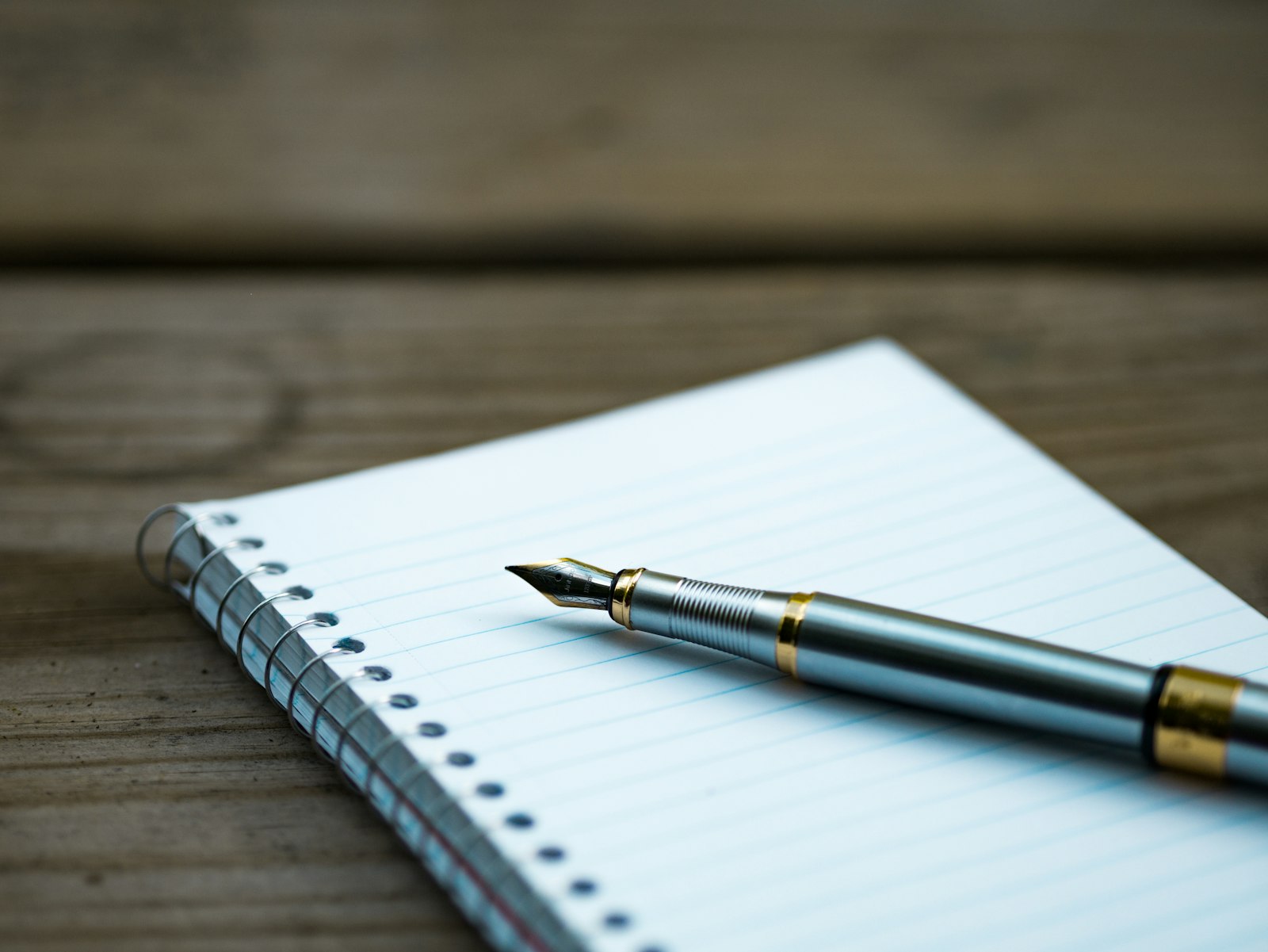
Every long piece about something you witnessed starts as a mess: a notebook with coffee rings, voice memos recorded while walking, photographs of signs, half-sentences typed into a phone at a bus stop. The finished story is clean and ordered. The path between the two is where most of the work happens, and where many good stories quietly die.
This is a practical walk through that path, from the notes you take on the day to the draft you are willing to show a reader. It is the process we would suggest to anyone writing reportage, travel pieces, profiles or any work built on first-hand observation.
What good field notes look like
Good notes are not beautiful. They are findable and honest. Three habits make the biggest difference.
First, start every entry with the date, the time and where you are. It feels unnecessary in the moment. Weeks later, when you are trying to remember whether the storm came before or after the ferry, it is the only thing that saves you.
Second, keep observation and interpretation apart. Write what you saw and heard as plainly as possible, and put your reactions somewhere visibly different: in brackets, in the margin, after a dash. Man at the counter counted the change twice is an observation. (Suspicious? Or just careful?) is an interpretation. When you draft, you need to know which is which, because only one of them is a fact.
Third, write down exact words. When someone says something striking, record it verbatim, as close to the moment as you can, and mark it with quotation marks in your notes. Paraphrases drift. If you later quote someone in a published piece, you want to be sure those were their words and not your memory’s improved version.
The same evening: a ten-minute pass
The most valuable writing session in the whole process is often the shortest. At the end of the day, before you sleep, spend ten minutes with the day’s notes. Do not try to write anything polished. Do three things.
- Fill in the gaps you can still remember: the name you scribbled badly, the colour of the door, what happened right after the moment you wrote down.
- Write one or two sentences about what struck you most that day, and why.
- Note any questions you want to answer tomorrow, or after you get home.
Memory fades fastest in the first day or two. A short pass while it is fresh turns fragments into usable material. It also gives you an early, honest record of what seemed important at the time, which is useful later when hindsight starts rearranging things.
Back home: read everything once
When the trip or the reporting is over, resist the urge to start the draft immediately. Instead, read all your notes from start to finish, in one or two sittings, without editing. You are looking for what still has heat: the moments you reread with a jolt of recognition, the details you had forgotten, the lines that make you want to tell someone.
Mark those passages. A simple system is enough: a star for anything that must be in the piece, a dash for anything that might be. Many writers find that the starred material is a small fraction of the notebook. That is normal and healthy. The notes were for you; the story is for the reader.
As you read, a question or a pattern will usually start to surface. It might be the same thing that struck you in the evening passes, or something you only see now that the whole record is in front of you. Write it down. It is the working answer to the question every piece needs: what is this about?
Finding the shape
With your starred material and a working sense of what the piece is about, you can choose a shape. Three shapes are worth trying first.
Chronological. The story follows the order in which things happened. It is natural and clear, and works when events build towards something. It struggles when the important moments are spread thinly across a long period.
Question-led. The piece opens with the question your notes raised and follows your attempt to answer it, using events out of order where needed. This is often the strongest shape for reportage and place writing, because it gives the reader a reason to keep going.
Object or thread. A single recurring element, such as a road, a meal, a person or a building, holds the piece together, and each section returns to it from a different angle.
Sketch the piece in a few lines with each shape and see which one lets your best material arrive in the best order. For more on turning a chosen shape into sections and headings, see How to Structure a Long Read.
Drafting without drowning
The danger in drafting from rich notes is that you try to use all of them. Every detail was hard-won, so every detail feels essential. The result is a draft that is accurate, exhausting and very long.
Draft with the notebook closed for the first pass. Write the story as you would tell it to a friend, from memory and from your starred list. Then open the notes and check: dates, names, the exact wording of quotes, the order of events. This keeps the voice of the piece yours, and the facts the notebook’s.
When something interesting does not fit, let it go. It is not wasted. It may belong in another piece, or simply in your understanding of the subject, which shows in the writing even when the detail does not.
Checking before you publish
Before the piece goes out, go back to the notes one last time with a narrow purpose: checking. Every quote should match what you recorded. Every name should be spelled the way its owner spells it. Every claim that is not your own observation should have a source you could point to. Where you are unsure, say so in the text, or cut the claim.
Finally, think about the people who appear in the story. Would they recognise the moments you describe? Is there anything that exposes them in a way they did not agree to? Place and travel writing raise this question more than most; we look at it more closely in Writing About a Place You Visited. Once you can answer those questions comfortably, the mess has become a story, and it is ready for a reader.



Comments 0
Oldest first. Comments are reviewed before they appear.
No comments yet. Be the first to respond.